
World of Warcraft: Midnight introduces eight new 5‑player dungeons, split between leveling and max level, all centered on the war between Void and Light around Quel’Thalas and the Sunwell.
Overview of Midnight’s Dungeons
The eight launch dungeons are:
- Windrunner Spire
- Magister’s Terrace (reworked and expanded)
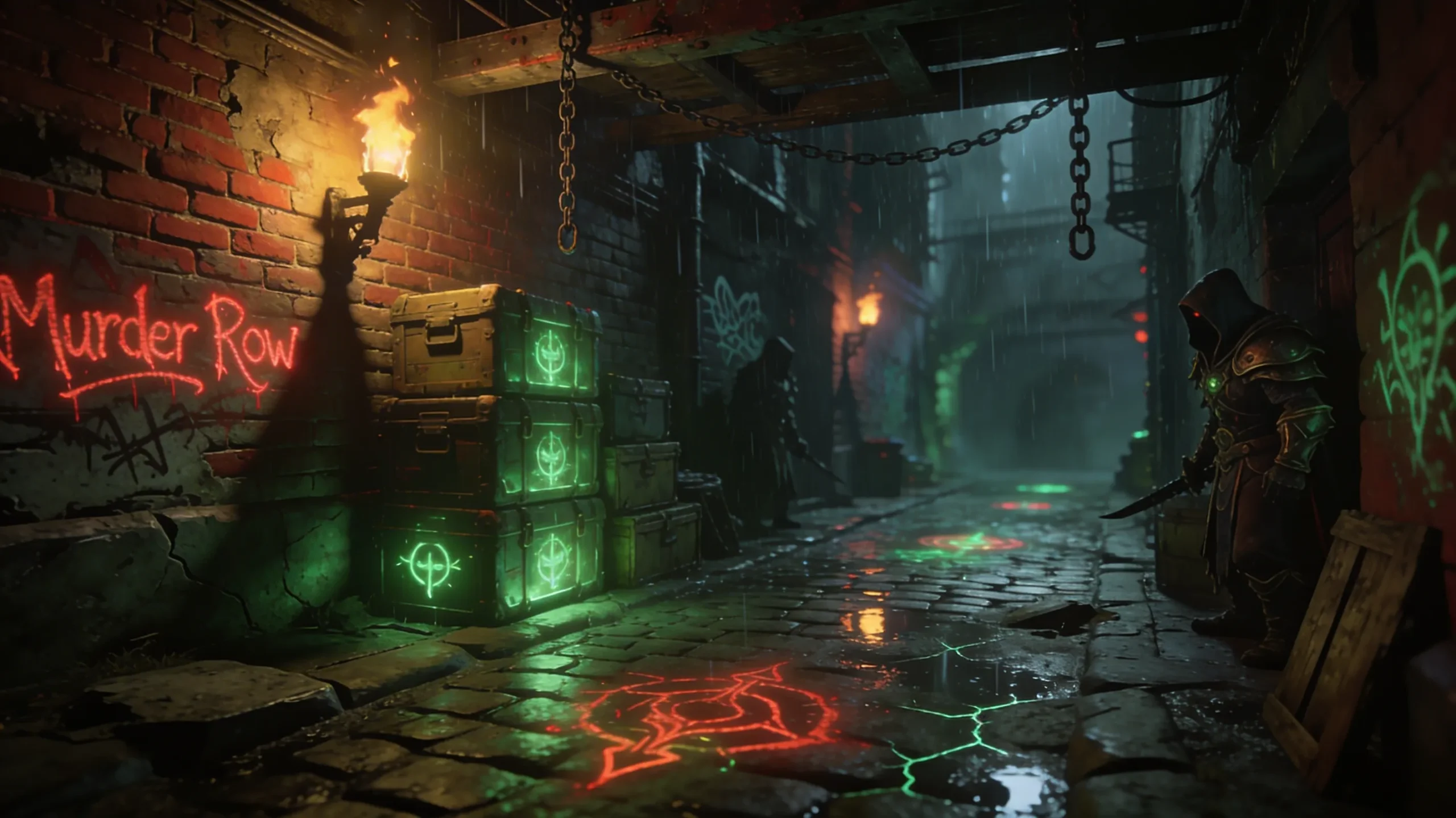
- Murder Row
- Den of Nalorakk
- Maisara Caverns
- The Blinding Vale
- Nexus‑Point Xenas
- Voidscar Arena
They feature a mix of revamped classic locations (like Magister’s Terrace and areas of Silvermoon) and entirely new instances tied to the Void invasion and elven storylines.
Windrunner Spire
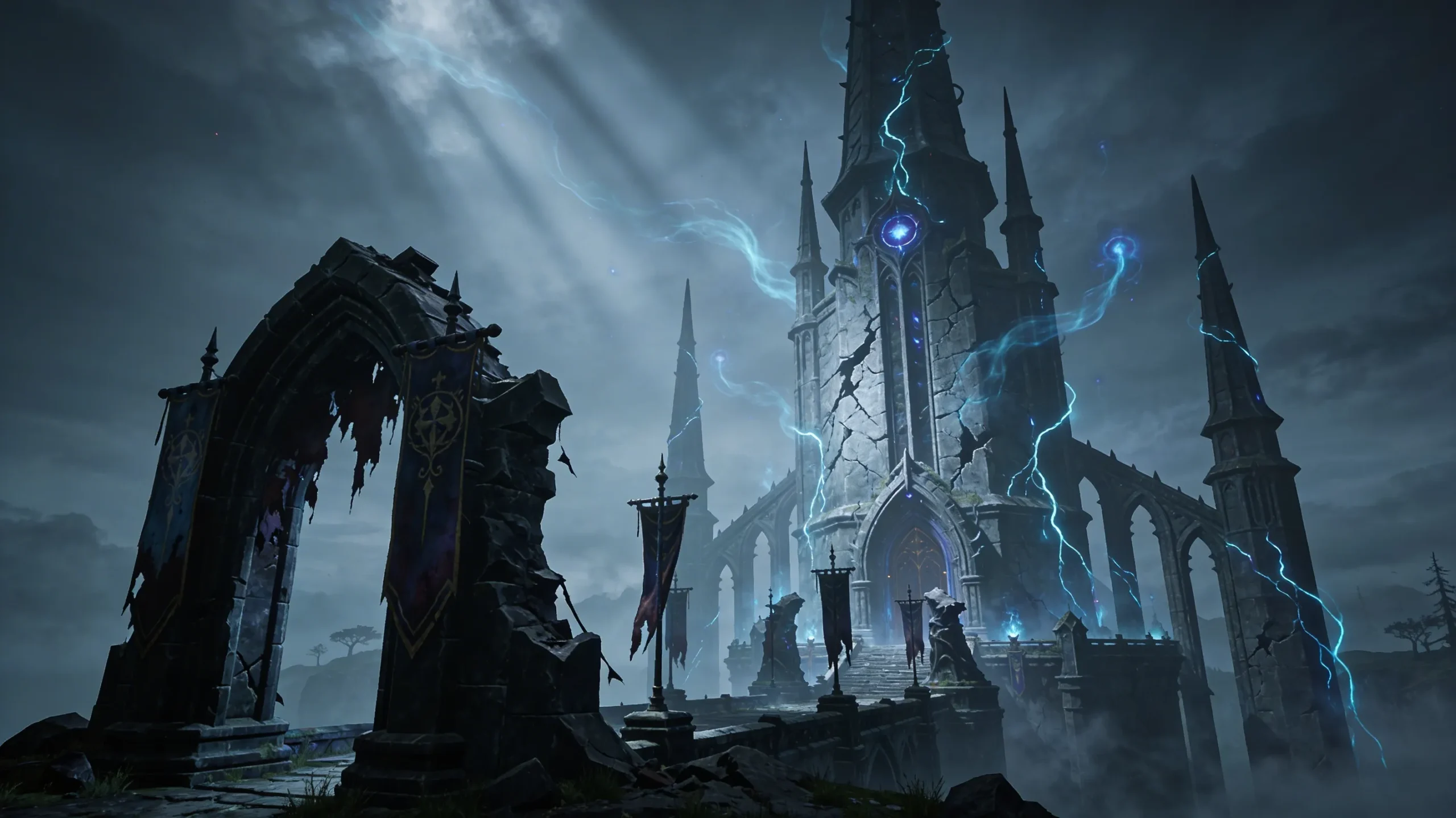
Windrunner Spire is a haunted stronghold in Quel’Thalas that explores the buried history and emotional scars of the Windrunner sisters—Alleria, Sylvanas, and Vereesa. A tense reunion steeped the ancestral home in grief and resentment, which manifested as twisted spirits and echoes that now bind the dead to the tower.
- Theme and setting: Gothic elven architecture, broken halls, and spectral afterimages of the family’s past, with Void corruption seeping into key chambers.
- Role in the story: Players help unravel the emotional and magical knot that fuels the haunting, confronting manifestations of regret, betrayal, and Void whispers that feed on the Windrunners’ conflict.
- Boss structure: The dungeon features four bosses, including encounters that mirror the sisters’ history and a final boss that embodies the Spire’s tormented heart (for example, foes like Emberdawn, a fiery guardian, and other spirits driven by Void‑amplified emotion).
Mechanically, Windrunner Spire leans on movement‑heavy fights, targeted dispels for Void afflictions, and add waves of haunted remnants that force coordinated control and burst damage.
Magister’s Terrace (Reworked)
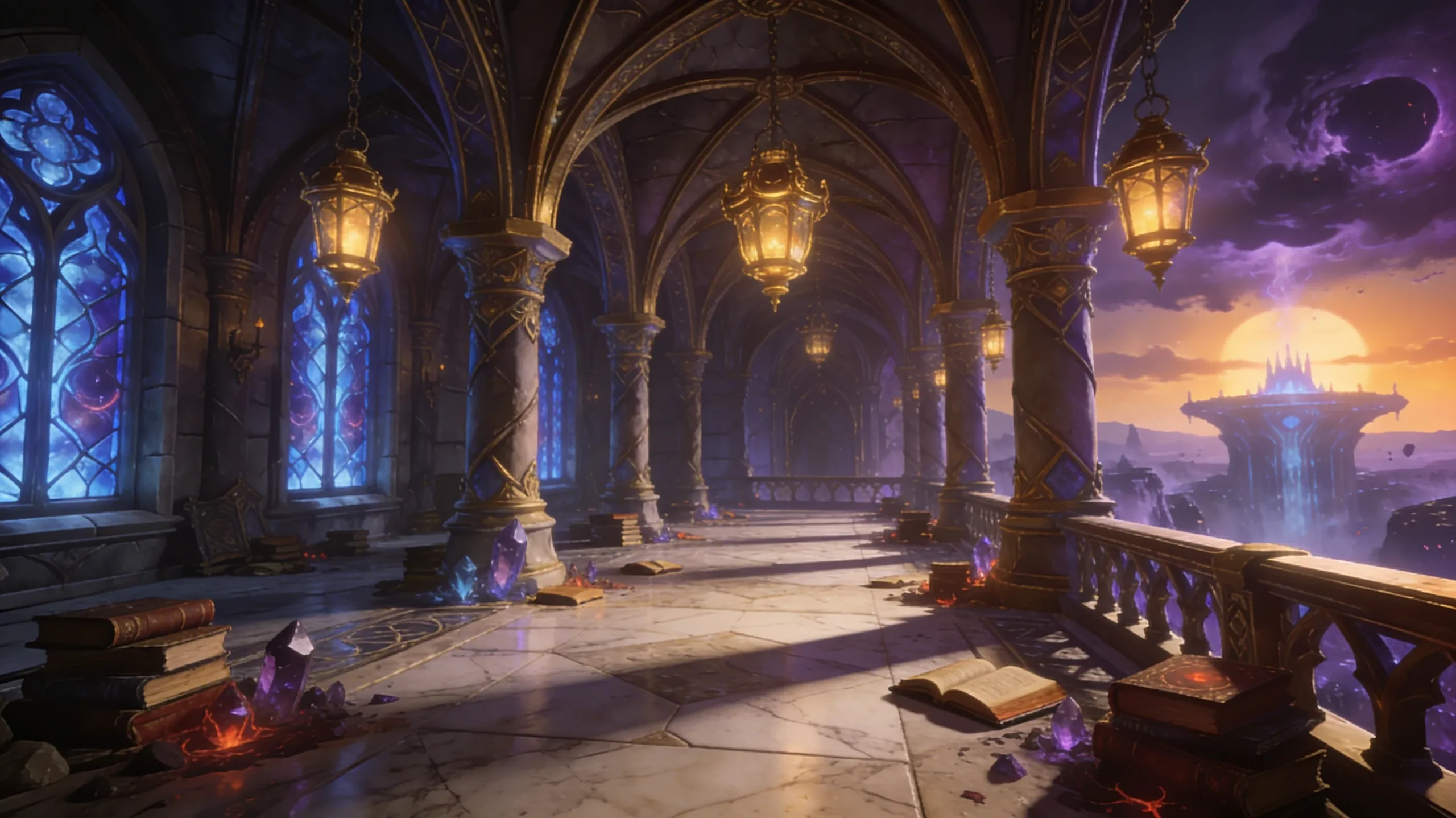
Magister’s Terrace returns as a major Midnight dungeon, but its layout and purpose have been expanded to reflect the modern crisis around the Sunwell. Once a Blood Elf stronghold tied to Kael’thas, it has been reimagined with new wings, including a balcony looking directly out over the Sunwell and the Void’s assault.
- Theme and setting: An upgraded high elven–blood elven complex, blending familiar corridors with new areas that show Sunwell‑facing battlements and Void‑scarred chambers.
- Role in the story: Magisters are racing to weaponize dangerous arcane forces, trying to unleash ancient magic against Xal’atath and the Void offensive. Players must prevent catastrophic experiments from destabilizing the Sunwell itself.
- Bosses and structure: The instance features multiple bosses using heavy arcane and fire damage, shield mechanics, and add phases; Kael’thas‑era figures and new magisters combine classic mechanics like spell interrupts and Phoenix‑style add control with modern encounter design.
Expect dense caster packs, line‑of‑sight pulls around corners, and phases where controlling empowered constructs is as important as burning down the primary target.
Murder Row
Murder Row takes players into the shadowy backstreets of Silvermoon’s infamous rogues’ quarter, now a hub for illicit dealings tied to the present crisis. Blood elves are smuggling fel relics and demons left over from the Burning Crusade era, hoping to turn them into weapons in the war against the Void—with predictably disastrous consequences.
- Theme and setting: Tight, urban corridors and rooftops, ambush points, and hidden cellars full of fel contraband, demonic prisoners, and black‑market contacts.
- Role in the story: Players dismantle a smuggling ring whose reckless trafficking risks opening new fel breaches inside Quel’Thalas just as the Void threat peaks.
- Boss structure: Encounters emphasize stealth, traps, and positional awareness: rogues, warlocks, and demons use smoke, teleportation, and line‑of‑sight to break up groups, while fel artifacts alter the battlefield mid‑fight.
Mechanically, Murder Row rewards interrupt discipline, handling of bursts of fel AoE, and smart use of crowd control to manage assassins and demon adds that can quickly overwhelm an unprepared group.
Den of Nalorakk
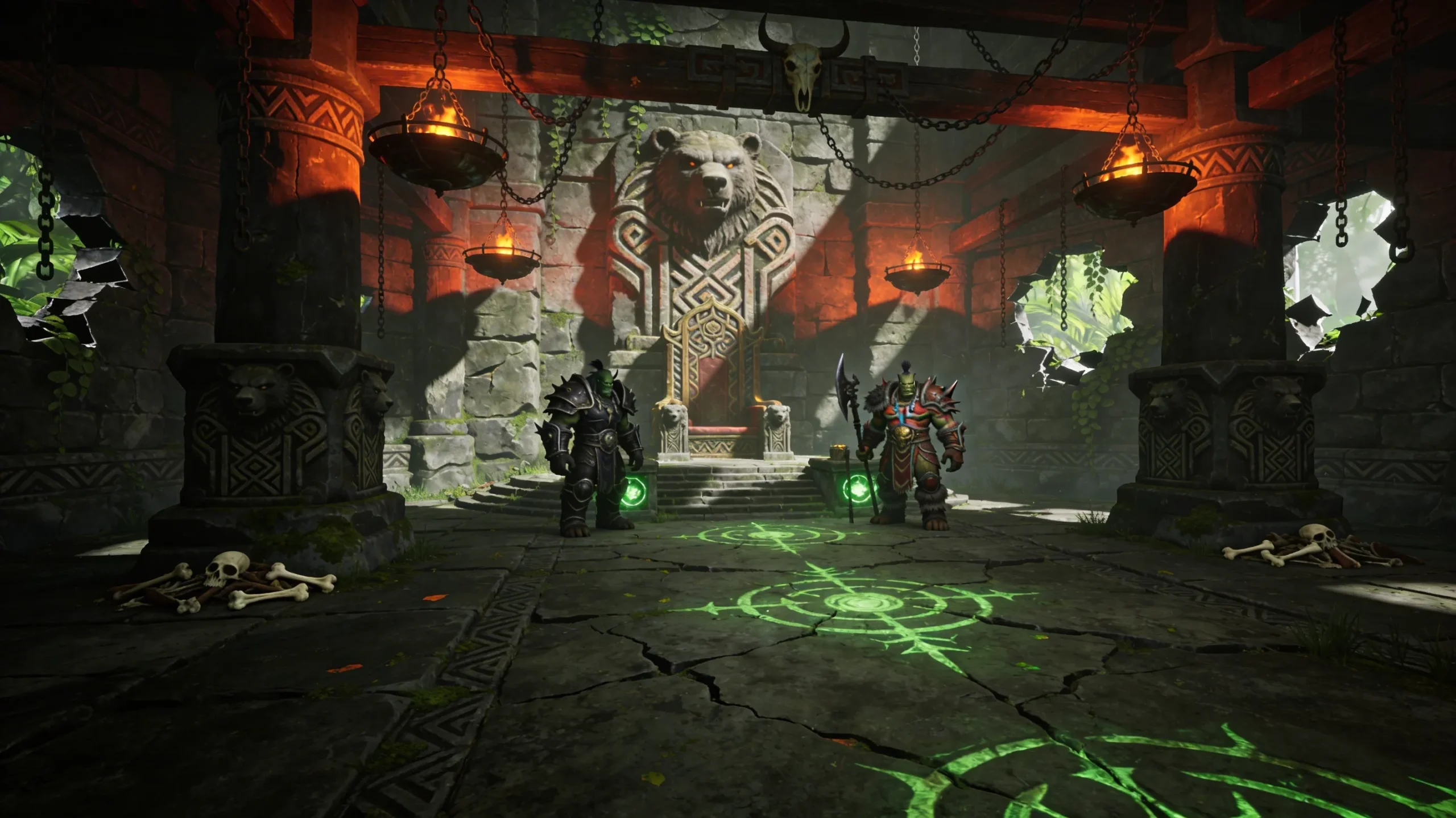
Den of Nalorakk is set in Zul’Aman, where the bear loa Nalorakk tests would‑be allies before he agrees to stand against the Void. Instead of a simple assault, the dungeon is framed as a series of spiritual and physical trials that prove the worth of outside champions.
- Theme and setting: A rugged, Amani‑themed den with totemic halls, bear motifs, and outdoor platforms overlooking Zul’Aman’s wild terrain.
- Role in the story: The Amani, wary from past betrayals, force players to earn Nalorakk’s trust through combat challenges, spiritual tests, and trials that show respect for loa power rather than exploitation.
- Bosses: The dungeon has three bosses, including the Hoardmonger (a treasure‑obsessed beast or troll champion), a Sentinel of Winter that embodies biting storms, and Nalorakk himself as the final trial.
Design leans on heavy tank damage, cleave, and survival cooldown checks; Nalorakk’s fight mixes shapeshift phases, frontal cleaves, and soak or spread mechanics, pushing groups to handle both positional discipline and sustained damage.
Maisara Caverns
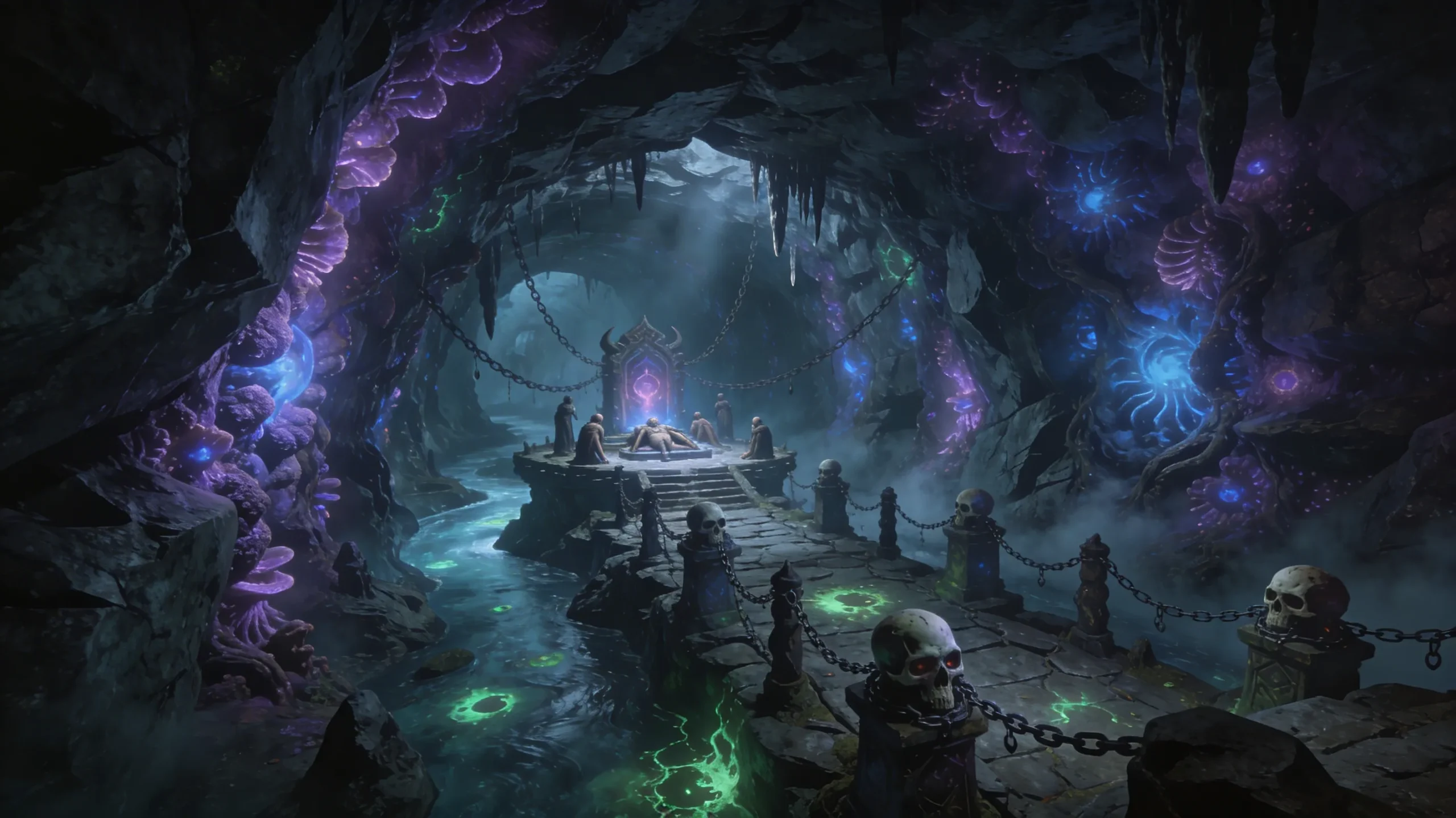
Maisara Caverns is a subterranean dungeon beneath Zul’Aman where troll tribes are caught up in sinister Void‑adjacent schemes. Witherbark trolls have been abducted by the rival Vilebranch, who are harnessing ancient cave powers and suspiciously Void‑tinged rituals to twist captives into weapons.
- Theme and setting: Bioluminescent fungal caverns, underground rivers, and ritual chambers, combining traditional troll iconography with creeping dark corruption.
- Role in the story: Players delve into the caverns to rescue Witherbark captives, break the Vilebranch’s schemes, and prevent the ritual energy from feeding nearby Void incursions.
- Bosses: Fights include a duo boss (Muro’jin and Nekraxx) that pairs tribal magic with Void influence, a mid‑dungeon ritualist like Vordaza, and a final encounter such as Rak’tul, Vessel of Souls, that channels troll spirits and Void power in devastating waves.
Mechanically, expect stacked add waves, corruption zones that force movement, and soul‑drain or possession effects that turn group members into temporary threats if not handled correctly.
The Blinding Vale
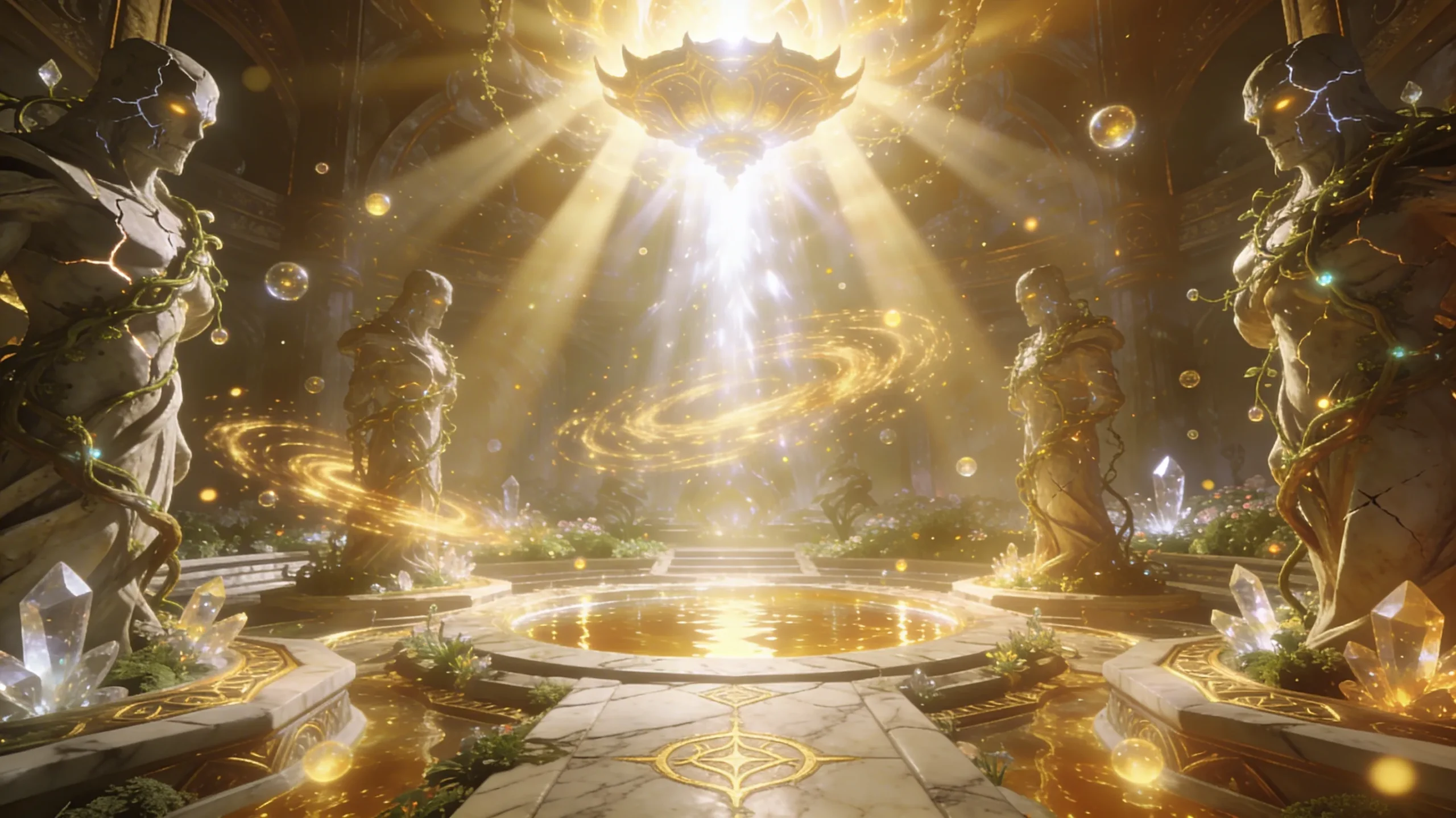
The Blinding Vale is a radiant‑yet‑dangerous zone in Harandar revolving around the Dawnwell, a powerful Light‑aligned font whose brilliance can be as threatening as any Void corruption. The dungeon explores the idea that excess Light, wielded fanatically or without balance, can blind and destroy rather than heal.
- Theme and setting: Dazzling gardens, crystal bridges, and Light‑drenched arenas where visibility and overexposure become mechanical hazards.
- Role in the story: You confront zealots and entities who seek to weaponize the Dawnwell’s power against the Void, even if it means burning away anything “impure,” including their own allies and lands.
- Bosses: The instance has four bosses, including the Lightblossom Trinity (coordinated Light constructs), Ikuzz the Light Hunter, Lightwarden Ruia, and Ziekket, each layering overlapping beams, cones, and area denial effects.
The Blinding Vale emphasizes line‑of‑sight around Light pillars, managing overlapping shine/beam mechanics, and dealing with stacking debuffs from overexposure that force frequent movement and defensive cooldowns.
Nexus‑Point Xenas
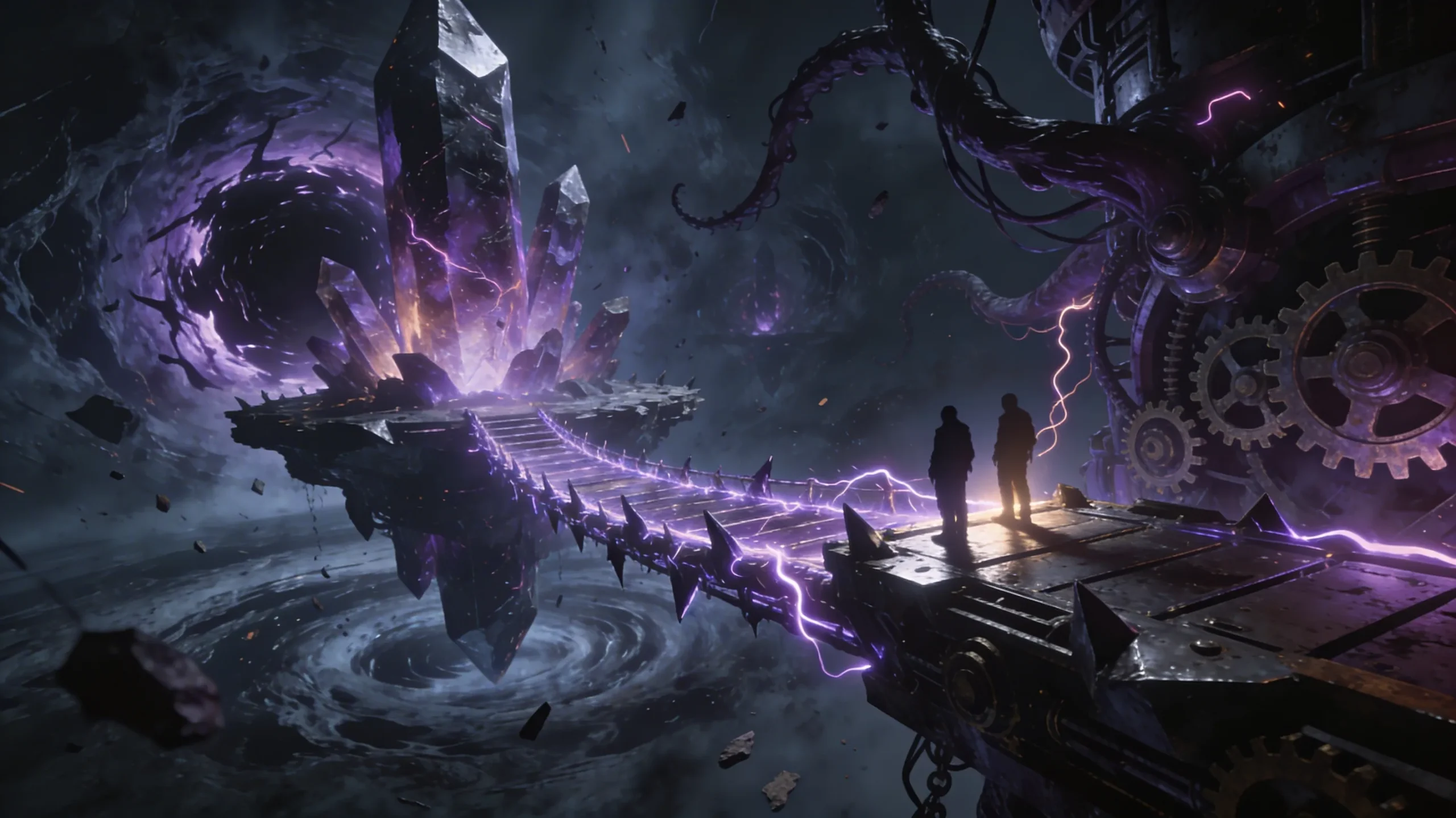
Nexus‑Point Xenas lies within the Voidstorm region and functions as a critical convergence node for Void travel and power. It feels like a hybrid of Legion‑style spaceway hubs and Void‑warped nexuses, where reality bends around swirling rifts.
- Theme and setting: Floating platforms, unstable bridges, and core chambers full of dimensional machinery, crystals, and rift generators.
- Role in the story: Players assault Xenas to disrupt Void logistics—cutting off reinforcements, collapsing portals, and severing the connection between Void forces and the assault on the Sunwell.
- Bosses: Encounters include Chief Corewright Kasreth, Corewarden Nysarra, and Lothraxion (in a Void‑touched role), each playing with rift‑based mechanics like teleport circles, unstable cores, and shifting safe zones.
Design stresses spatial awareness: rotating platforms, knockbacks toward the Void below, and timed interactions with core devices to prevent catastrophic eruptions or full‑room Void floods.
Voidscar Arena
Voidscar Arena is a gauntlet‑style dungeon in the Voidstorm, essentially a gladiatorial proving ground carved into a pocket of warped space. Here, players face staged trials against powerful foes as the Void “audiences” watch, betting on which mortals will break.
- Theme and setting: Circular and multi‑platform arenas floating in a Void sea, reshaping between fights as the scar tears open new configurations.
- Role in the story: The arena functions as both a spectacle and a crucible; by surviving, players undermine Void morale, free captive combatants, and break key champions that would otherwise be unleashed on Quel’Thalas.
- Bosses: The dungeon features four encounters built like escalating rounds, with bosses such as Vexamus, Overgrown Ancient, Crawth, and Echo of Doragosa standing in as summoned or enslaved champions adapted to the Voidscar.
Voidscar Arena leans into wave‑based trash pulls, timer‑like pressure between rounds, and bosses that heavily test interrupt chains, mobility, and coordination around rotating hazards and targeted soak mechanics.
Leveling vs. Max‑Level Use
Midnight’s dungeons are split so that four are primarily used while leveling through the new zones and four unlock fully at max level for Heroic, Mythic, and Mythic+ progression. At launch, all eight form the core dungeon pool, with Season 1’s Mythic+ rotation also pulling in some legacy dungeons alongside the new Midnight instances.
As an example, dungeons like Magister’s Terrace, Maisara Caverns, Nexus‑Point Xenas, and Windrunner Spire appear prominently in the Mythic+ Season 1 lineup, while the others round out the leveling and endgame narrative experience around Quel’Thalas and the Voidstorm.
World of Warcraft: Midnight Season 1 features an eight-dungeon Mythic+ pool, blending four new instances with four updated legacies from prior expansions.
Season 1 Mythic+ Pool
This fixed rotation supports Normal, Heroic, Mythic, and keystone runs, emphasizing varied mechanics from Void themes to classic challenges.
| Dungeon | Expansion | Key Notes |
|---|---|---|
| Magister’s Terrace | Midnight | Reworked with Sunwell-facing bosses like Kael’thas; heavy arcane/fire mechanics skycoach+1. |
| Maisara Caverns | Midnight | Troll caverns with Void rituals; duo bosses, soul mechanics skycoach+1. |
| Nexus-Point Xenas | Midnight | Void nexus with rifts, platforms; corewrights and wardens skycoach+1. |
| Windrunner Spire | Midnight | Haunted elven tower; spirit echoes, emotional Void trials skycoach+1. |
| Algeth’ar Academy | Dragonflight | Arcane school; dracthyr fights, student mobs skycoach+1. |
| Pit of Saron | Wrath of the Lich King | Saronite mines; mining gauntlet, Frost/Ick bosses skycoach+1. |
| Seat of the Triumvirate | Legion | Argus prison; eredar council, void rifts skycoach+1. |
| Skyreach | Warlords of Draenor | Arakkoan spire; wind currents, solar mechanics skycoach+1. |
Rewards and Tuning
Great Vault scales to +18 keys with item levels up to Mythic raid equivalents (e.g., +15 yields 272-279 ilvl), plus titles like “Umbral Hero” for top 0.1% and mounts such as Calamitous Carrion at 2000 rating. Season starts March 24, 2026, post-raid launch, with affix tweaks like stun DR changes favoring this pool’s interrupt-heavy trash.